1509
San Sebastián de Urabá
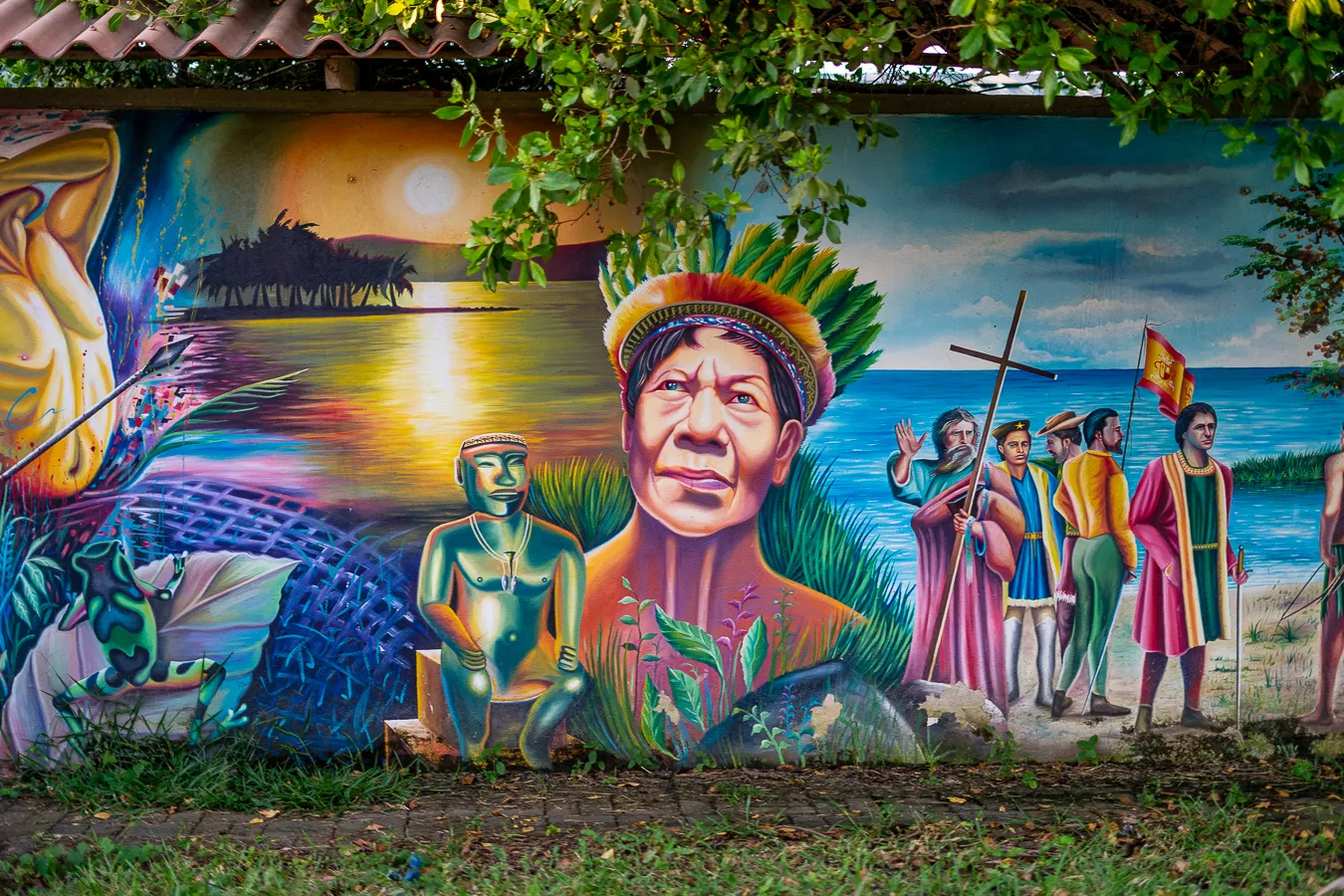
Alonso de Ojeda founded the first Spanish settlement on the American mainland.
Necoclí · Gulf of Urabá
A Caribbean town where the gulf, the savanna and the Antioquian hills meet.
Necoclí has been a municipality of Antioquia since 1 January 1978. Before that it was a district of Turbo. Locally it is called the Solitary Pearl of the Gulf of Urabá. Guna Dule and Zenú peoples, Afro-descendant communities, savanna families from Córdoba and paisa households all shape the town.
Memory
1509
Alonso de Ojeda founded the first Spanish settlement on the American mainland.
1535
Pedro de Heredia established San Sebastián de Buenavista near Playa Linda. It lasted until the mid-16th century.
1786
Fort San Carlos stood on the north bank of the river. Around 1794 the settlement moved to today’s town center.
1978
Urabá joined Antioquia in 1905. Ordinance 24 of 9 November 1977 created the municipality of Necoclí.
People
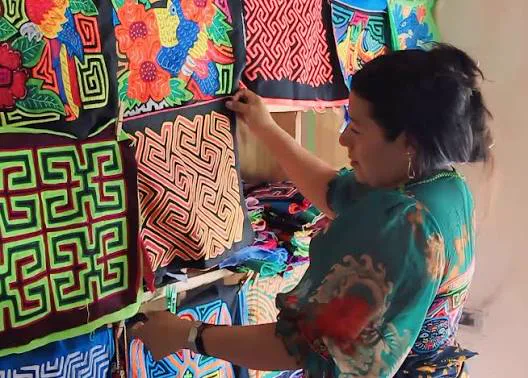
The resguardo is about 26 km along the road to Turbo. Families keep the language, maize and plantain, and the mola: layered colored cloth with figures of their world, made by women and passed from mother to daughter. The tourism office can arrange a visit.
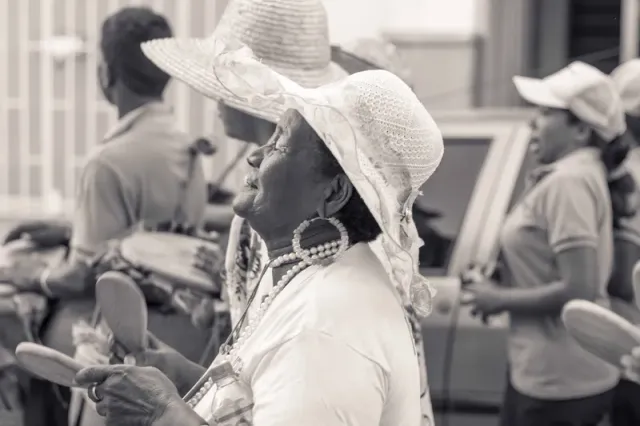
The Zenú people live at the Volao resguardo. Afro-descendant communities, with roots in Bolívar and Chocó, keep bullerengue alive. From Córdoba came the savanna calendar: corraleja, porro and fandango.
The year
January
On the Three Kings weekend, at Cancha La Batea. Afternoon corralejas, evening fandango, a horseback parade and the savanna table. This is the town’s signature festival.
12 October
A national festival on the town beaches, free to the public, starting in the late afternoon. Palmeras de Urabá, from barrio Caribe, has sung it for about thirty years.
November
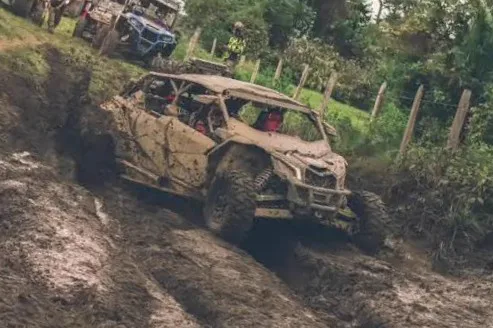
On the second holiday, motorcycles and 4x4s cover about 90 km of rural track, leaving from El Turista or El Pescador beach. The year also holds the Sweet, Vallenato and Cacao festivals.
In town
Calle 51, by the Virgen hill, just behind the main park. Dance, reading and painting rooms, weekdays.
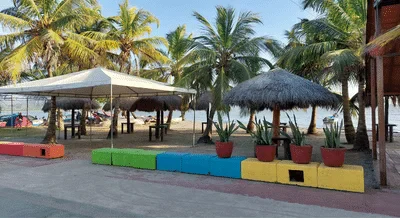
A linear park of about one kilometer along the beach, built for the town’s 500 years. The evening walk sits between the sea and the restaurants.
In the center, by the banking street. A stage and stands for town events, with cafés around the square.
El Carlos museum is a few kilometers toward Turbo. San Sebastián de Urabá holds a collection from before and after the meeting of the two worlds. Visits are arranged with the tourism office.
The table comes from the same meeting of peoples. On the beach: fish, coconut rice, patacón, seafood and sancocho. In Holy Week: fish fricache, bean rice, cooked salad, avocado, maize or rice chicha, and sweets of plantain, mango, yam, papaya and coconut.